
Forecast from the qualified duty
Estimate routine consumption using the accepted concentration or active dose and realistic operating volume, not a generic oilfield average. Separate pilot, startup and steady-operation requirements. Keep water or process assumptions visible when projected demand depends on a condition that has not yet been demonstrated.
Identify which product codes are approved for each application and receiving location. A spare pallet for produced-water treatment is not automatically an EOR or drilling-fluid substitute. Inventory simplification should follow technical qualification rather than forcing unrelated duties onto one broadly named PAM.
Confirm the physical delivery path
Request package net mass, pallet dimensions, markings and moisture protection appropriate to unloading and feeder arrangements. State access, handling equipment, destination and transport constraints. Confirm included freight and delivery responsibility rather than assuming a factory price covers the final journey to a remote installation.
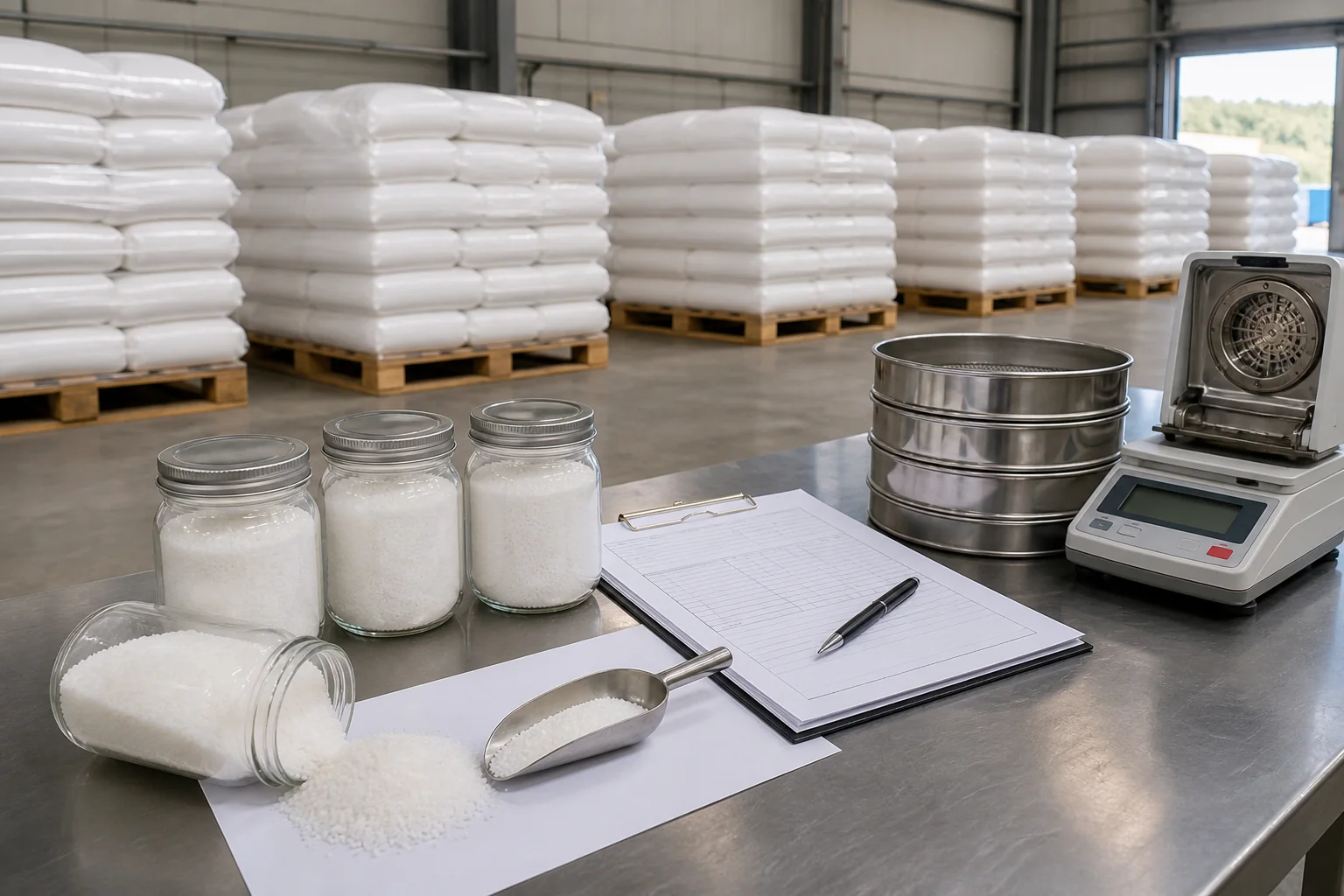
Review available protected storage, stock rotation and the proposed code's documented conditions and shelf life. Follow the applicable SDS and plant handling procedures. A larger discount quantity is not economical if packages are damaged or must be held outside their qualified storage conditions.
Stage continuity without accepting unqualified substitutions
Use actual consumption and replenishment lead time to plan a justified reserve. Make emergency-transfer permissions and alternative product approvals explicit. An interruption in availability should trigger the agreed escalation, not a silent dispatch of another grade described only as similar.
Keep lot identity through receiving, storage, preparation and use where the operation requires it. If several lots enter a long campaign, retain the applicable receiving and solution checks so a performance change can be investigated against water, preparation and material history.
Write a commercially complete supply request
Provide trial and monthly demand separately, package preferences, shipment sequence, destination and current documentary requirements. Ask the supplier to confirm lead time and technical-support scope for the offered identity rather than treating a tentative schedule as a guaranteed dispatch commitment.
Link the accepted sample and first-lot checks to routine purchase descriptions and change notification. Revisit the stock plan when water, operating volume or preparation changes alter measured demand. Stable supply depends on both logistics and the qualification boundary; neither a large warehouse reserve nor a familiar chemical name can replace the other.
Related qualification and order decisions
Keep the corresponding operating test record with the purchase evidence. Further checks include Oilfield Polymer Pilot Orders: Calculate Quantity for Valid Trial Periods and Oilfield PAM First-Lot Acceptance: Reproduce the Approved Application Test.
Request a coded sample or a bounded trial quotation through the oilfield polymer operating brief. Include the duty, actual water or formulation, preparation limits, acceptance method, quantity and destination; distinguish demonstrated results from conditions still awaiting qualification.